Your stay has a positive impact: thank you
Income generated from your visit supports our Collaborative Reef Protection Program, which delivers sustainable income to the local communities while at the same time protecting the coral reefs from non-sustainable and destructive fishing methods (such as cyanide and dynamite fishing).
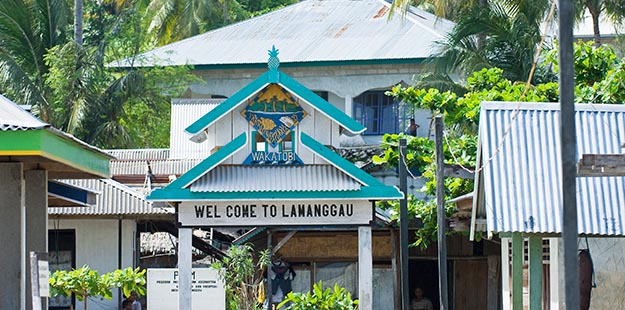
Collaborative reef protection
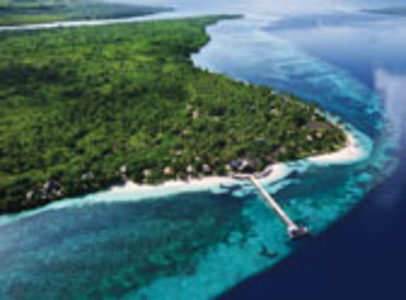
Through its Collaborative Reef Protection Program, Wakatobi provides sustainable income (as well as electricity and other support) directly to the local communities both in the form of lease fees that support reef stewardship and help protect the reefs from destructive fishing methods.
The program currently protects up to 60km of reefs and is policed by resort patrols as well as local villagers.
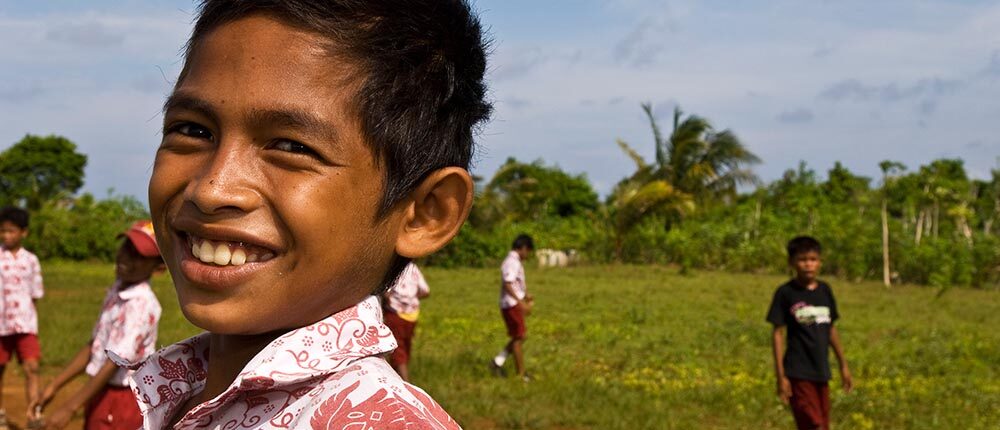
The benefits are plain to see – the health of the corals and the level of biodiversity have both improved markedly since the program began, and the local communities have seen improvements in their standard of living and prospects for the future.
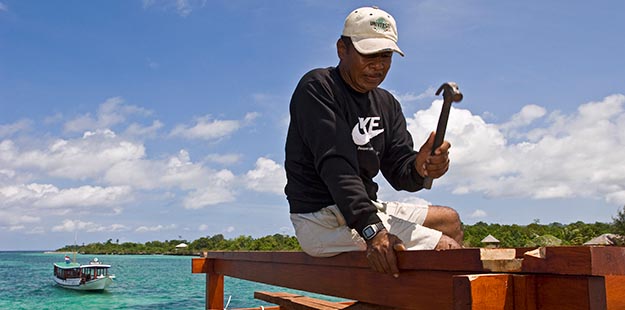
Origins of the program
Prior to the program, the locals were largely dependent on working with foreign, illegal fishing boats to make a living. In the area around Wakatobi, this kind of fishing still occurs (limited however by our patrols) by boats from other areas of Indonesia or other countries. These boats are owned and crewed by people who don’t consider the pressure they are putting on the marine-life. The owners don’t pay local taxes, the crew doesn’t care where they throw anchor or deplete marine resources. In the end, locals get very little gain from this kind of activity.
But there is no way that anyone with a sustainability agenda could have marched in and simply told the locals to not walk on the reefs and stop supporting the foreign fishermen, as these activities provided part of their living. Instead, what was needed was an alternative source of income whereby people could choose whether they wished to preserve or destroy. We believed, and still do, that the best and most sustainable alternative is to create employment and education opportunities through responsible, conservation-linked tourism.